Canadian Association for Security and Intelligence Studies Vancouver
AQ Episode 30
5 Things To Know About Climate Change and Security
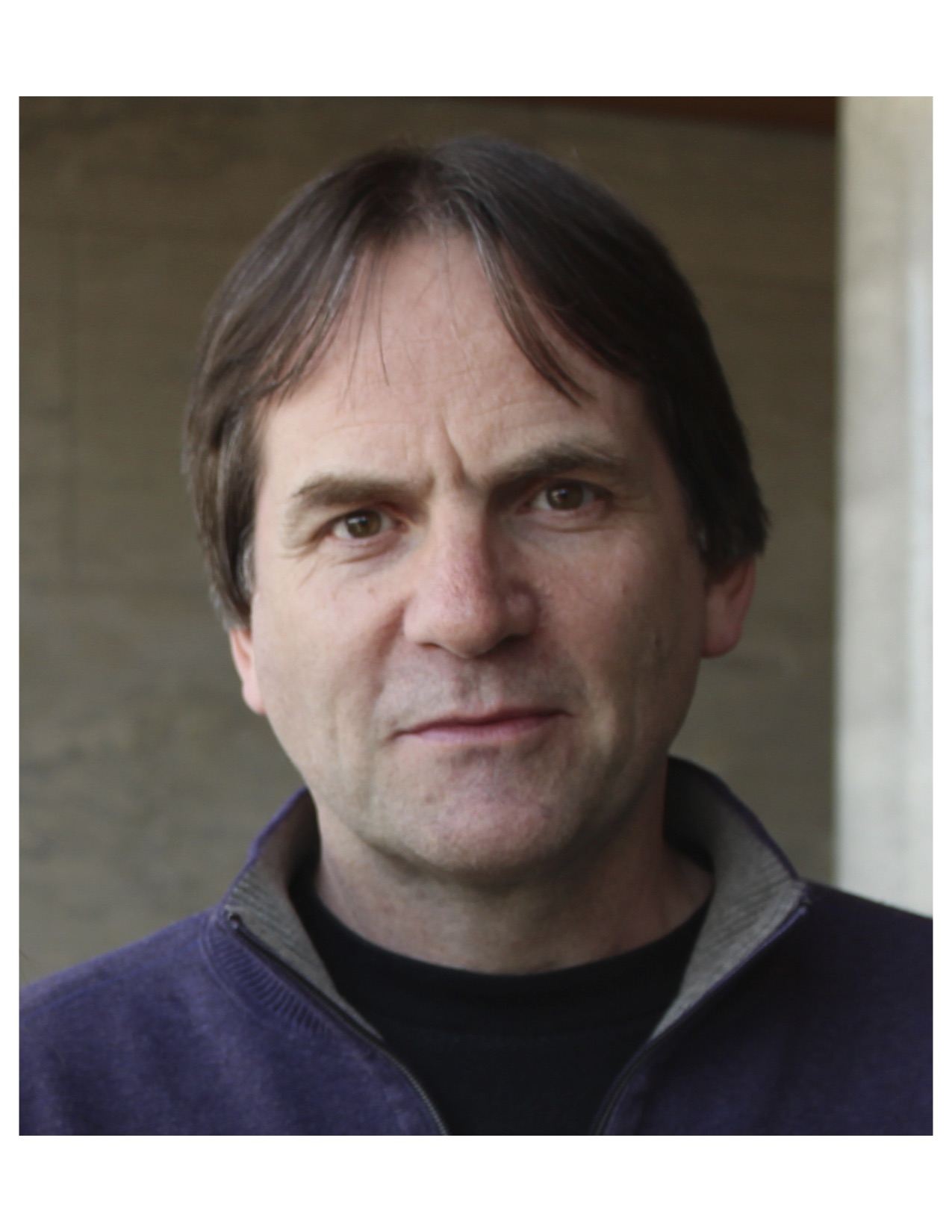
Guest | Dr.Simon Dalby is a Professor Emeritus at Wilfrid Laurier University, a Fellow at the Balsillie School of International Affairs and Senior Research Fellow at the University of Victoria Centre for Global Studies. His published research deals with climate change, environmental security, and geopolitics. He is author of Pyromania: Fire and Geopolitics in a Climate Disrupted World, Rethinking Environmental Security, and Anthropocene Geopolitics: Globalization, Security, Sustainability.
Host | Nela Radecki is an Executive with CASIS-Vancouver, as well as working as Policy Analyst at ESDC. Her research interests lie in terrorism, crisis management, and national and regional security. She has received Simons Award in Nuclear Disarmament and Global Security, issued by Liu Institute for Global Issues and has also participated in the UBC Go Global Exchange program conducted on February 2022.
5 Key Points:
In regards to misinformation and disinformation campaigns related to climate change, Dr Dalby noted that there has been a long history of climate denialism, including deliberate efforts by corporations and right wing movements to cast doubts over and misrepresent climate science. Dr. Dalby cited the 2009 “Climategate” controversy, where the emails of climate scientists were obtained by hackers, whose contents were subsequently misrepresented by climate denialists during the Copenhagen Summit on climate change. Investigations into the matter found no wrongdoings on the part of the scientists, however the leak and related media campaigns that misrepresented the contents of the emails setback public understanding on climate change, which took years to recover from.
Dr. Dalby described how the public opinion battle has been won long ago by climate activists and scientists, but that what has yet to be won is the struggle within the institutions of many states to initiate a move away from fossil fuels. Climate change poses significant security challenges which require urgent policy responses, including in the Canadian context whereby the increasing threat posed by forest fires is fueled by the extraction and use of fossil fuels.
In regards to addressing climate change, on an individual level consumer choice does matter, but the responsibility for managing climate change disproportionately lies with the heads of corporations and policy makers, said Dr. Dalby. Necessary changes related to climate change will only occur through significant government policy, including the removal of subsidies for emission producing activities and the cessation of new exploration permits for fossil fuel related projects. He explained this extends to the security sector where there should be a focus on reducing the carbon footprint of militaries, including through means such as replacing ICE non-combat vehicles with EVs.
Militaries are increasingly called upon to aid civilian authorities in the context of disaster responses related to climate change and as a result, it is necessary to consider building much larger civilian response capabilities, especially in Canada where the threat of forest fires and floods are increasing in frequency and severity. Where the burden of disaster relief responsibilities may impede the readiness of the Canadian military to carry out its core missions, Dr. Dalby argued that there should be a government focus on more clearly defining the responsibilities of public agencies in regards to climate disaster responses.
Dr. Dalby touched on how international politics has focused on the climate justice issue between developed and developing states regarding climate change and fossil fuel emissions: Climate negotiations have yet to settle the debate over financial responsibility and reparations from developed states who have used fossil fuels to get rich, to developing states who are disproportionately affected by climate change. He stated that responsibility does lie with countries and wealthy individuals who have historically and who continue to have a disproportionate amount of per capita fossil fuel consumption.
Relevant Articles:
Dalby, S. (2024). Pyromania: Fire and Geopolitics in a Climate Disrupted World., Newcastle: Agenda Publishing.
Dalby, S. (2022). Rethinking Environmental Security. Edward Elgar Publishing.
Dumaine, C. (2022). Adapting to New Security Realities in a Climate-Disrupted World. The Journal of Intelligence, Conflict, and Warfare, 4(3), 98–104. https://doi.org/10.21810/jicw.v4i3.4155
Dalby, S. and Lawrence, L., (2021, October 12). Climate Change Impacts On Canadian National Security., Centre for International Governance Innovation.
Nadarajah, H. (2023). Deep Space and Arctic Security Issues . The Journal of Intelligence, Conflict, and Warfare, 6(2), 99–102. https://doi.org/10.21810/jicw.v6i2.6255