
5 Things to Know About Rebel Group Recruitment
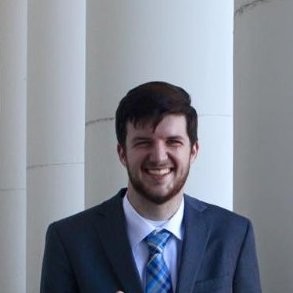
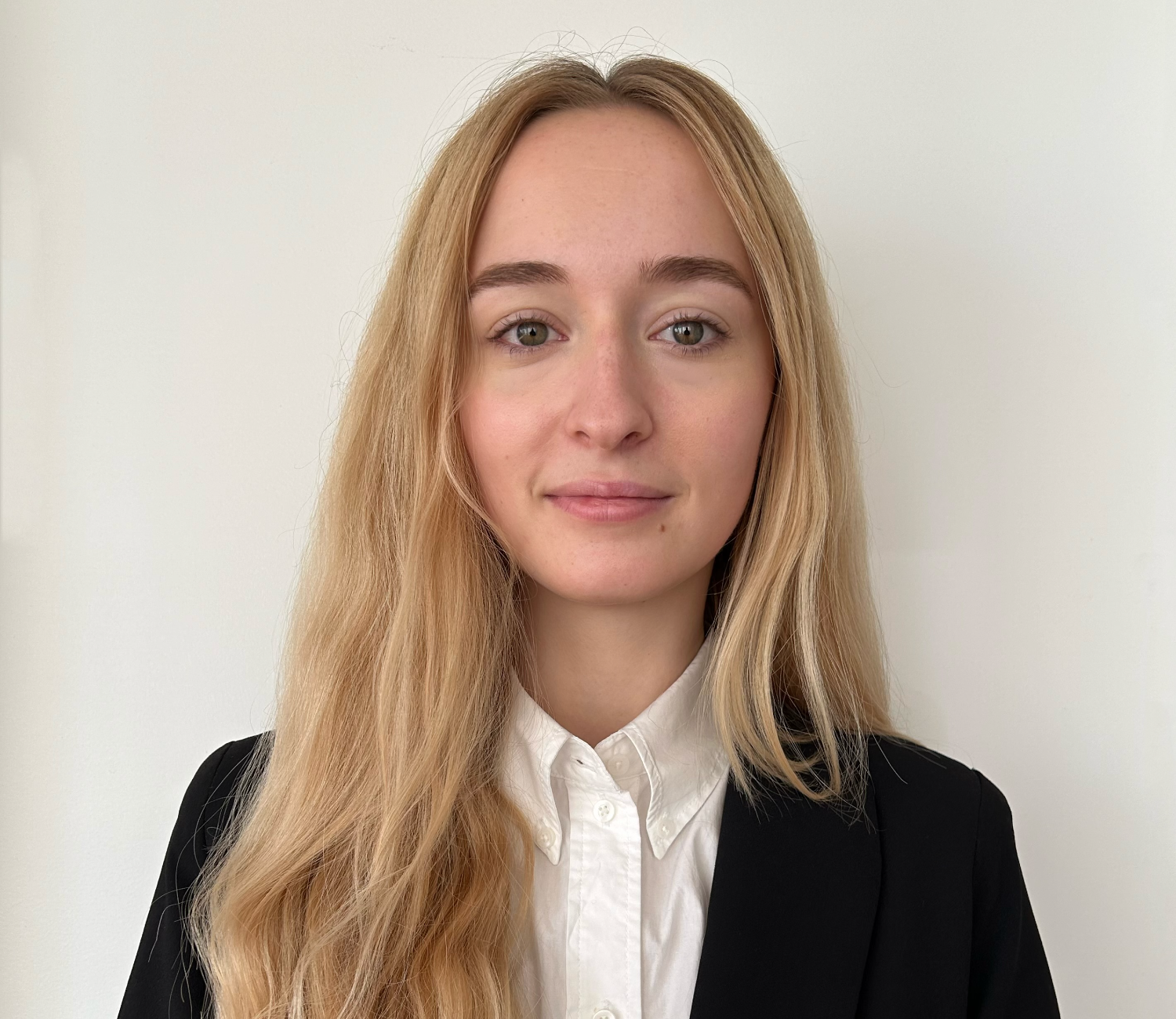
The latest episode of the Adversity Quotient Podcast explores 5 Things to Know About Rebel Group Recruitment with guest speaker Dr. Michael Soules, Assistant Professor of Political Science at the University of Houston. Alongside host CASIS Vancouver executive Nela Radecki, Dr. Soules delves into the recruitment techniques of rebel groups, examining ideological motives (sincere and instrumental), the use of social media, varying appeal strategies, the underlying costs, and the recruitment of child soldiers.
5 Key Points:
- Sincere vs instrumental ideology: Scholarly research, as pointed out by Dr. Soules, indicates that conflating all ideology-based rebel groups into the same category is a mistake. While some groups have a sincere foundation in ideology, other groups utilize the permissible practices of the ideology to promote their own political and economic goals. He also highlighted that populations living in high-violence regions are not homogeneous in their exposure to violence and that a religious belief or belonging to a particular group does not mean that the population is prone to violence since most of the population in these areas live without direct involvement in it.
- Rebel groups recruitment through social media: Dr. Soules stated that it is not common for rebel organizations to recruit through social media platforms because of the risk associated with this practice; not only are the platforms themselves constantly trying to eliminate this activity due to the economic and reputational risk related to them but also because of the exposure to watching government eyes. He pointed out that the recruitment processes can be expansive and lengthy to protect the rebel groups from foreign and governmental intrusions, often relying on vouching and close relationship networking such as friends and family to achieve their goals.
- Appeal strategies differences between transnational and domestic terrorist groups: Dr. Soules highlighted that domestic groups often pull from a smaller sample of events to recruit their agents, focusing on local and specific events, while transnational groups use the appeal of varied and more generalized events to recruit. These differences are underscored as transnational groups often focus on ideological or religious arguments, while domestic groups primarily target domestic grievances. He noted that jihadist groups frequently experience less internal conflict because the religious nature of their ideologies sometimes aligns with political conflicts. Furthermore, the effectiveness of the jihadist groups’ appeal strategies is reduced due to the large number of competing organizations, combined with the violence and conflict of interest between transnational fighters and the domestic population.
- The relationship between defence and social programs governmental expenditure: Commonly referred to as the “Gun vs. Butter” dilemma, Dr. Soules mentions the discussion surrounding government allocation of funds towards defence is ever-increasing when dealing with rebel groups. He explained that the proximity of civil wars, the destruction of the workforce, and vital infrastructure are emerging causes of costs that will damage the capacity of a country to invest in social programs such as education and healthcare. Furthermore, effective recruitment on a large scale during wartime is very costly and requires the allocation of more resources to maintain its effectiveness.
- Rebel group’s recruitment of child soldiers: On the recruitment of child soldiers, Dr. Soules mentioned the clear downsides, including high reputational costs and minimal benefits. Since child soldiers are less effective because of their lack of physical strength and critical thinking skills, rebel groups that employ the practice are often looking to use the easily indoctrinated position of the children to their advantage. This notion implies that physically coercing children into acting for their causes is easier than coercing adults, which might increase the commitment of a troop that is regularly more prone to defection and desertion.
References:
Piazza, J. A., & Soules, M. J. (2021). Terror After the Caliphate: The Effect of ISIS Loss of Control over Population Centers on Patterns of Global Terrorism. Security Studies, 30(1), 107-135.
Soules, M. J. (2020). Women in Uniform: The Opening of Combat Roles to Women in State Militaries. International Interactions, 46(6), 847-871.
Soules, M. J. (2022). Martyr or Mystery? Female Suicide Bombers and Information Availability. Studies in Conflict and Terrorism, 45(1), 62-91.
Soules, M. J. (2022). The Tradeoffs of Using Female Suicide Bombers. Conflict Management and Peace Science, 39(1), 3-23.
Soules, M. J. (Forthcoming). Thinking Outside of the Box: Transnational Terrorism in Civil Wars. International Studies Quarterly.