
5 Things to Know About Disinformation and Digital Literacy
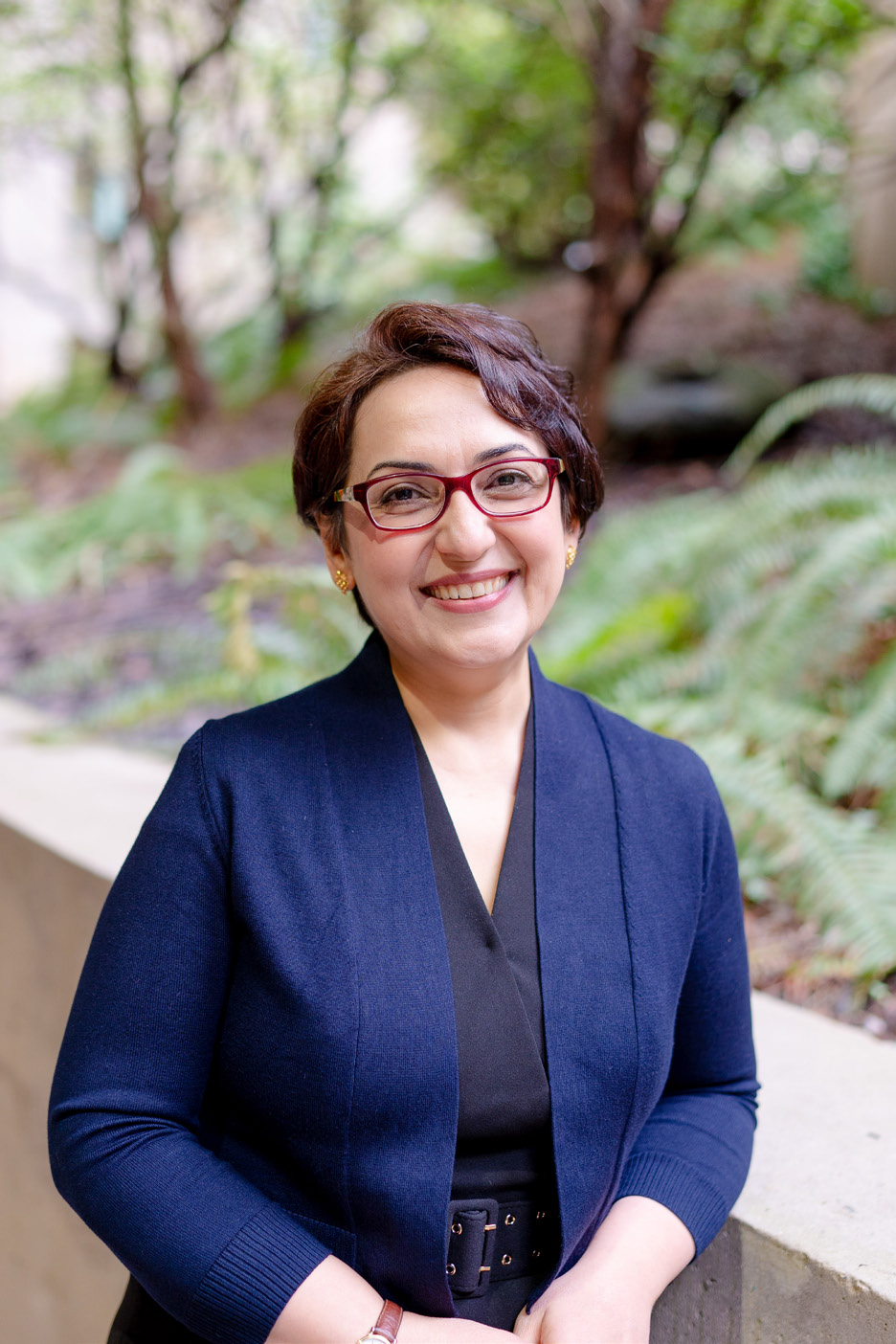
In the 41st episode of Adversity Quotient, guest speaker Dr. Alaa Al-Musalli presents 5 key insights into disinformation literacy and its implications. Dr. Al-Musalli teaches courses on Disinformation and Media, Civil Discourse and Democracy, Conflict and Communication, Intercultural Communication, and Business Communication at Capilano University in Vancouver, BC. She holds a Ph.D. in Linguistics from Bangor University. In collaboration with CASIS Vancouver host, Executive Malcolm Richards, Dr. Al-Musalli explores the complexities of disinformation in today’s media landscape.

5 Key Points:
- Naming Literacies: Dr. Al-Musalli explained how categorizing literacies improperly can lead to gaps in educational practices, particularly in training essential skills like critical analysis and fact-checking. She defined disinformation literacy as distinct from digital and media literacy, tracing its origins to the Institute for Propaganda Analysis during World War II. According to Dr. Al-Musalli, disinformation and digital literacies should be considered co-literacies—interconnected yet distinct. She cautioned that merging disinformation literacy with broader literacy categories could weaken crucial training in evaluating biases and intentions, beyond just developing digital skills.
- Multiplicity of Literacies: Dr. Al-Musalli highlighted that having multiple definitions for media and information literacies, such as media literacy, digital literacy, and critical information literacy, can lead to confusion and inconsistency in educational practices. She noted that while this multiplicity might encourage educators to critically evaluate teaching methods and skills associated with each literacy, it could also complicate their ability to align learning outcomes with specific teaching practices, particularly when developing new courses. Dr. Al-Musalli suggested that this diversity could still foster experimentation and reflection in teaching, despite her concerns about its potential to hinder curriculum design.
- Importance of Frequency in Training: Dr. Al-Musalli noted the significance of regular training in disinformation literacy to ensure lasting improvements in learners’ abilities to identify and refrain from spreading misinformation. She argued that more frequent fact-checking training towards students is necessary, rather than relying on occasional workshops or brief media literacy courses. Citing a study by Adjin-Tettey in 2022, she pointed out a correlation between increased media literacy training and a decline in the sharing of fake news. Although this study focused on media information literacy, Dr. Al-Musalli emphasized that the underlying message remains clear: consistent training is crucial for effectively combating disinformation.
- Tools and Methods for Training: Dr. Al-Musalli underscored the fact that effective training methods and the use of appropriate online tools are crucial for teaching students how to detect disinformation, as they directly impact the development of critical thinking and information literacy skills. She explained that while educators often choose specific fact-checking tools, there is a need to regulate these resources to ensure their quality and relevance. Many teachers, she noted, may struggle to find the right tools or develop suitable lesson plans due to time constraints. Dr. Al-Musalli highlighted several valuable resources, including Media Smarts, Snopes, and Finland’s Fact Bar toolkit, which aids in integrating fact-checking into education. She pointed out that the user-friendly design of these tools has been instrumental in promoting critical thinking and contributing to Finland’s strong reputation in countering disinformation and misinformation in Europe.
- Effectiveness of Existing Training and Future Research: Dr. Al-Musalli discussed the existing training programs in disinformation literacy such as gamification, the Finnish model, and fact-checking training which are effective because they prioritize critical thinking skills and equip individuals to recognize and analyze misleading information. Dr. Al-Musalli pointed out the potential of gamification in training programs, such as those used for law enforcement, and cited the Finnish model as an example of a successful literacy training approach. Dr. Al-Musalli stressed the need for more research to guide teaching practices and methods, emphasizing that data should play a crucial role in shaping effective training models.
References:
Adjin-Tettey, T. D. (2022, February). Combating fake news, disinformation, and misinformation: Experimental evidence for media literacy education. https://www.tandfonline.com/doi/full/10.1080/23311983.2022.2037229
Brisola, A. C., & Doyle, A. (2019, December). Critical Information Literacy as a Path to Resist “Fake News”: Understanding Disinformation as the Root Problem. https://www.researchgate.net/publication/338683253_Critical_Information_Literacy_as_a_Path_to_Resist_Fake_News_Understanding_Disinformation_as_the_Root_Problem
Frau-Meigs, D. (2022, June). How Disinformation Reshaped the Relationship between Journalism and Media and Information Literacy (MIL): Old and New Perspectives Revisited. https://www.researchgate.net/publication/361318386_How_Disinformation_Reshaped_the_Relationship_between_Journalism_and_Media_and_Information_Literacy_MIL_Old_and_New_Perspectives_Revisited
Henley, J. (2020, January 29). How Finland starts its fight against fake news in primary schools. The Guardian. https://www.theguardian.com/world/2020/jan/28/fact-from-fiction-finlands-new-lessons-in-combating-fake-news
Suiter, J., & Culloty, E. (n.d.). Apa PsycNet. American Psychological Association. https://psycnet.apa.org/fulltext/2023-92406-004.html
Tworek, H. (2023, January). View of media/digital literacy in an ERA of disinformation: The Journal of Intelligence, conflict, and warfare. View of MEDIA/DIGITAL LITERACY IN AN ERA OF DISINFORMATION | The Journal of Intelligence, Conflict, and Warfare. https://journals.lib.sfu.ca/index.php/jicw/article/view/5211/4395
Recent Posts
- News: Volume 6, Issue 1 of the Journal of Intelligence, Conflict, and Warfare Has Launched
- 2022 CASIS Annual Symposium
- October 2022 Digital Roundtable: “Predictive Policing and the Techno-Social Implications of Algorithmic Decision-making” with Dr. Ryan Prox
- News: “Understanding Open-Source Intelligence” Course at uOttawa’s Professional Development Institute
- News: CASIS Vancouver Partnership with the Canadian Police Knowledge Network
For media inquiries, please contact sbergler@casisvancouver.ca.
For research inquiries, please contact ckelshall@casisvancouver.ca.